Food

Creating better oils and fats for the future of food

Sustainable, resilient ingredients, made through fermentation.

Oils and fats are an essential part of the global food system. They influence the taste, texture, structure and nutritional profile of many of the foods we enjoy every day, from bakery and confectionery to sauces, spreads, prepared foods and plant-based products.

Yet many of the oils and fats used today rely on agricultural supply chains that are increasingly under pressure. Climate change, competition for land and natural resources, deforestation and fluctuating commodity markets are creating a growing need for new sources of these important ingredients.

Designed with food in mind

Fats perform a wide range of functions within food. They can provide structure and stability, influence melting behaviour and mouthfeel, carry flavour and help create the sensory qualities that make a product enjoyable to eat.

Any new ingredient therefore needs to do more than offer a sustainability benefit. It needs to perform.

This principle sits at the heart of our approach. We are developing function-specific ingredients that can meet the practical requirements of food manufacturers whilst helping them move towards more sustainable formulations and supply chains.

Our growing portfolio includes:

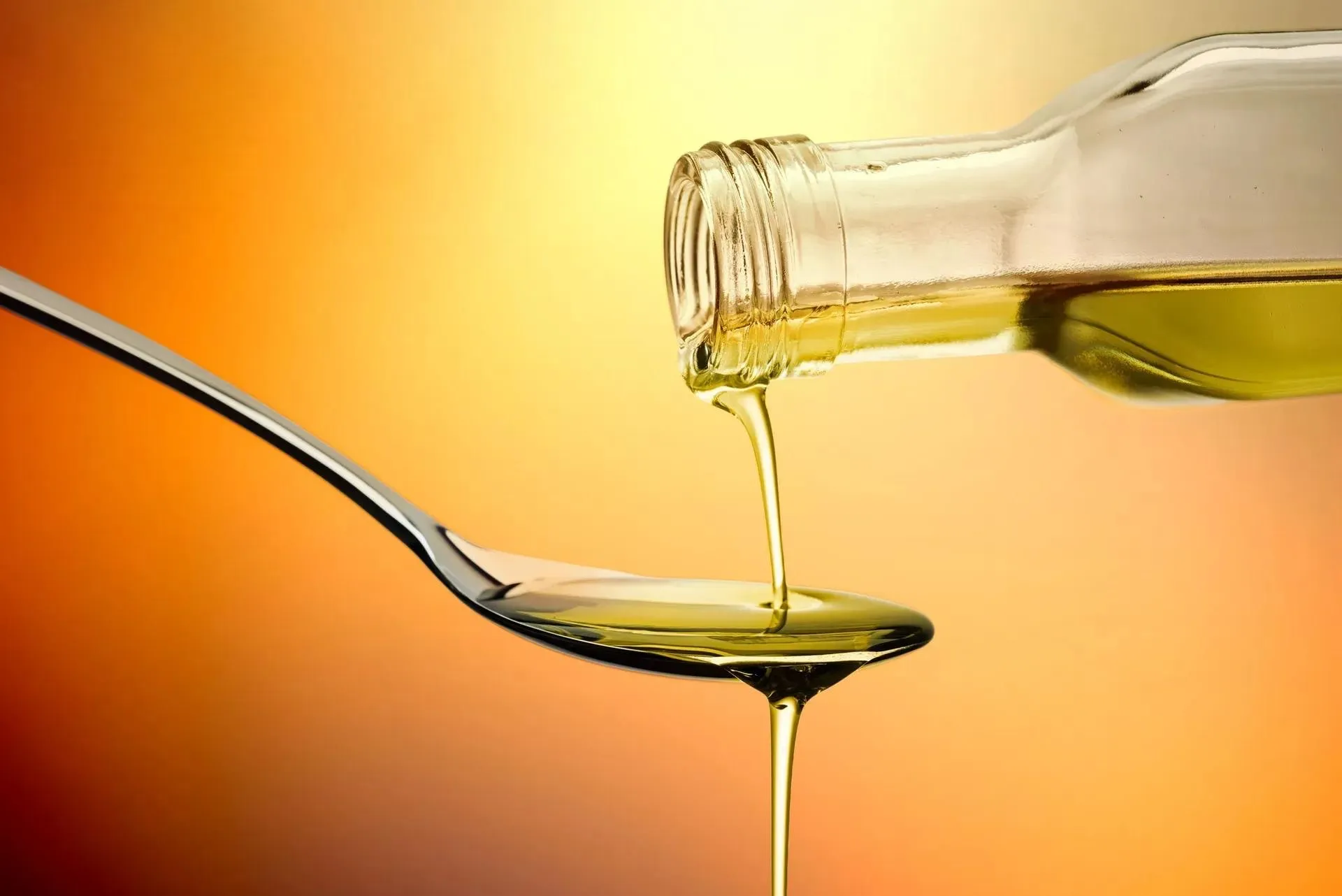
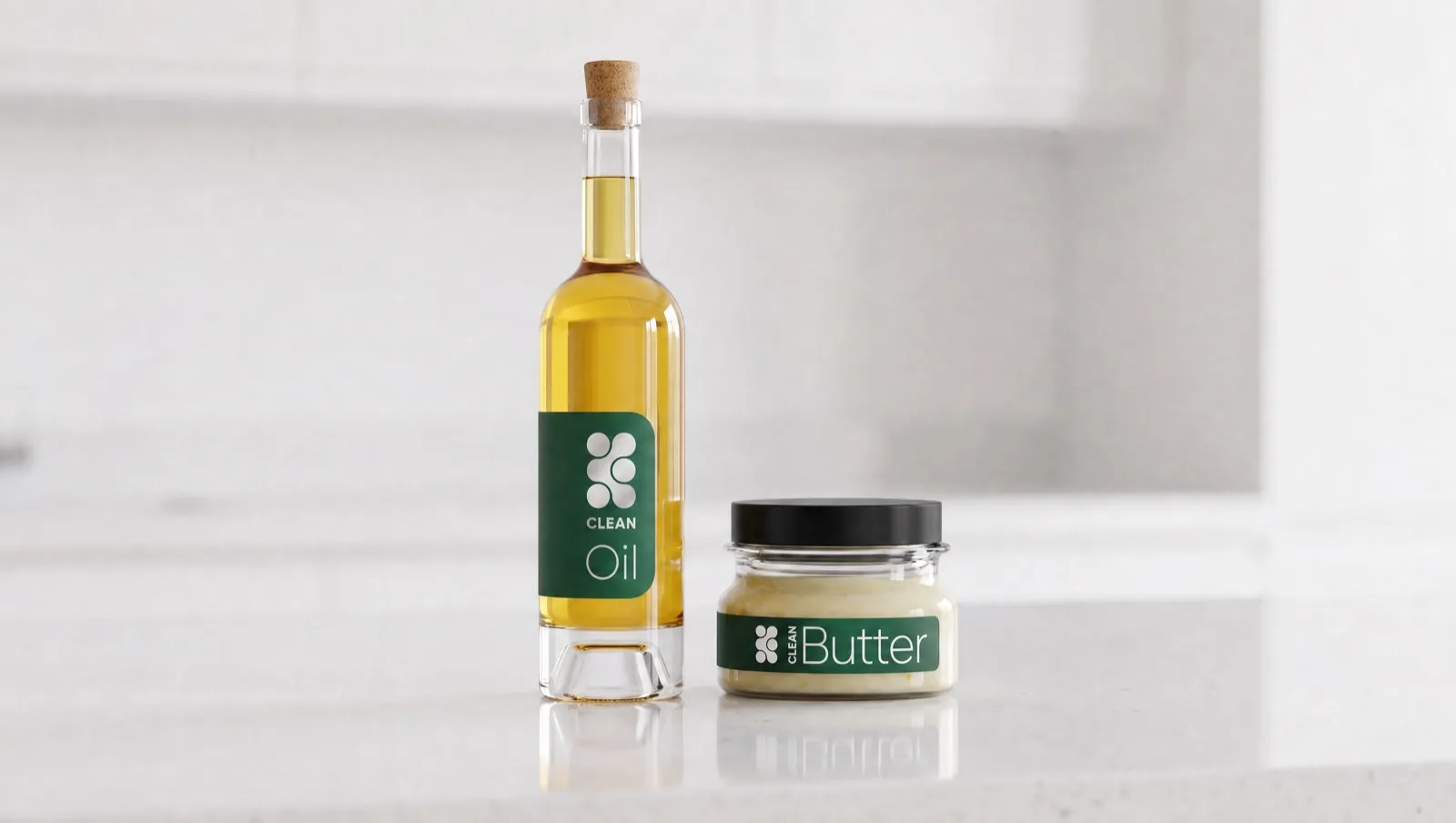
A bottle of CLEANOil™

CLEANOil™

A new generation of fermentation-derived oils.

CLEANOil™ is a high-quality oil produced through fermentation, developed to provide the functional characteristics needed across a wide range of food applications.

By tailoring properties such as stability, texture and performance, CLEANOil™ can offer manufacturers an alternative to oils traditionally derived from agricultural crops, while supporting familiar functionality in formulation.

Its versatility creates opportunities across food categories where oil performance plays an important role in product quality and consistency.

Potential applications

  • Confectionery
  • Spreads and fillings
  • Sauces and dressings
  • Prepared foods
  • Cooking applications
A jar of CLEANButter™

CLEANButter™

The functionality of a solid fat, produced in a different way.

Solid fats play a particularly important role in food, contributing structure, richness, mouthfeel and melting characteristics to products ranging from baked goods to confectionery and fillings.

CLEANButter™ is being developed to provide these qualities using fats produced through fermentation.

It offers manufacturers the possibility of achieving familiar functionality whilst reducing reliance on traditional tropical oils and fats and the agricultural supply chains associated with them.

Potential applications

  • Bakery
  • Confectionery
  • Fillings
  • Dairy and frozen products
  • Plant-based alternatives
A jar of CLEANProtein+

CLEANProtein+

Making more of the fermentation process.

Our fermentation process produces more than oils and fats.

CLEANProtein+ is a functional, animal-free protein ingredient with useful emulsifying and hydrocolloid properties, providing further opportunities across food formulation.

It also illustrates an important part of our approach: looking at the fermentation process as a whole and finding valuable uses for the different ingredients it can produce.

Potential applications

  • Sauces and dressings
  • Emulsions
  • Prepared foods
  • Plant-based products
A jar of CLEANBetaglucan™

CLEANBetaglucan™

A functional ingredient derived from our fermentation process.

CLEANBetaglucan™ is a yeast-derived beta-glucan ingredient recovered through our fermentation process, providing another valuable output alongside oils, fats and protein.

With functional properties that can support texture, stability and formulation, CLEANBetaglucan™ has potential across a range of food and ingredient applications.

Its development also reflects our approach to making fuller use of each fermentation, creating multiple useful ingredients from a single production system and supporting a more efficient approach to ingredient manufacture.

Potential applications

  • Bakery
  • Prepared foods
  • Sauces and dressings
  • Plant-based products
  • Functional food formulations
Potential applications

Croissants
Bakery
Pieces of chocolate
Confectionery
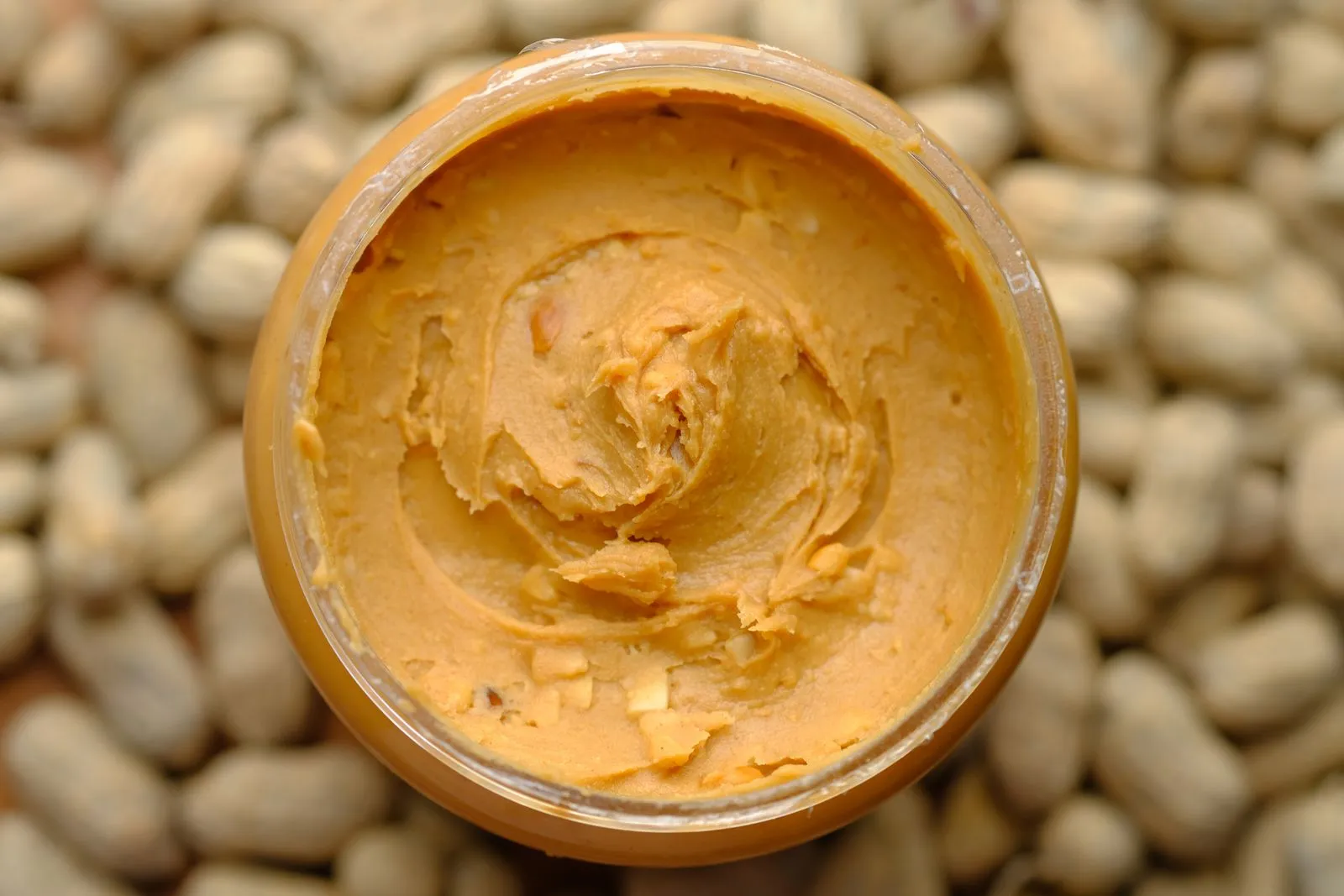
A jar of nut butter
Spreads and fillings
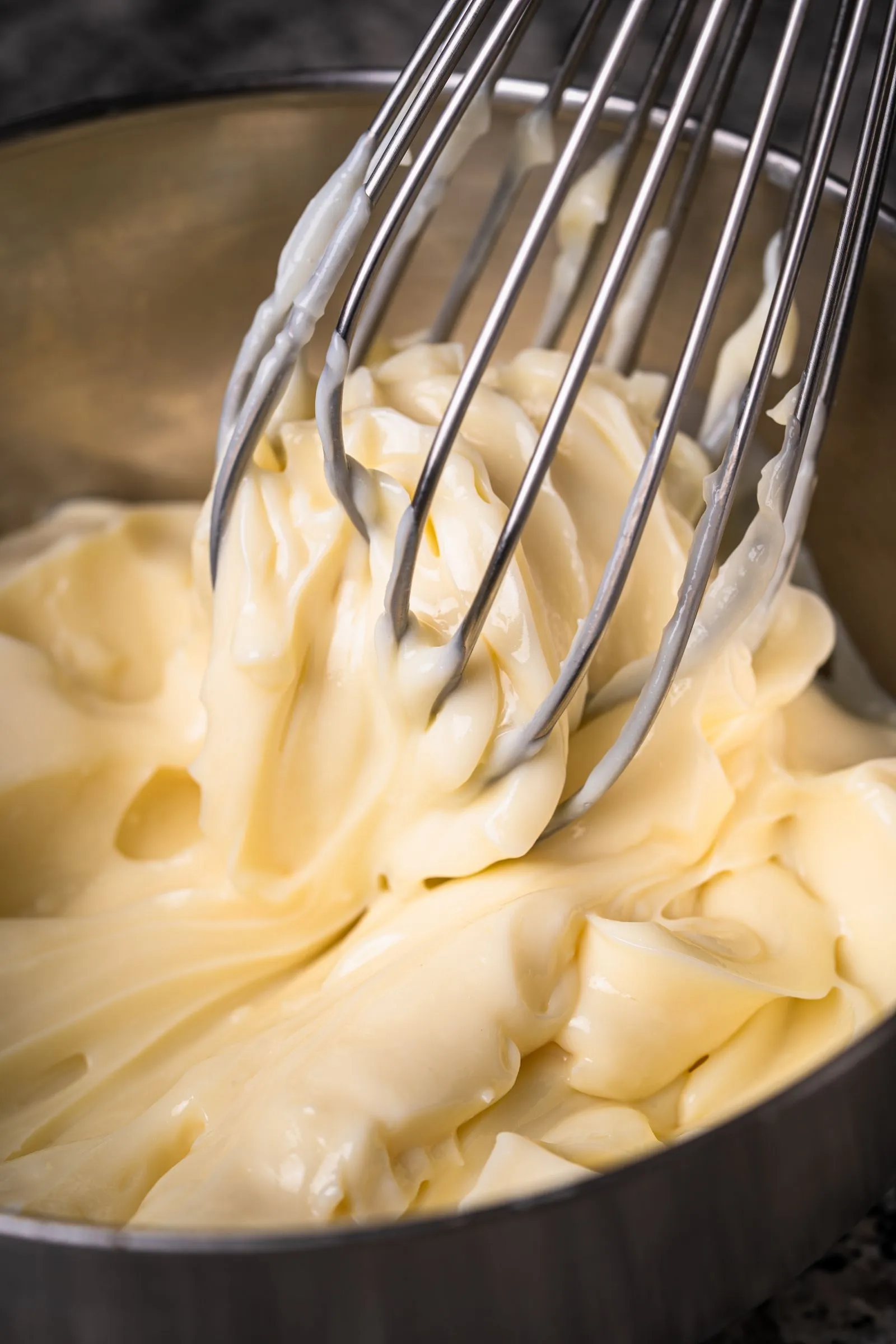
A whisked emulsion
Sauces and dressings
Prepared meals in trays
Prepared foods
A plant-based burger
Plant-based alternatives

In the kitchen

From food side streams to new food ingredients

One of the most interesting possibilities offered by fermentation is the opportunity to make better use of resources that already exist within the food system.

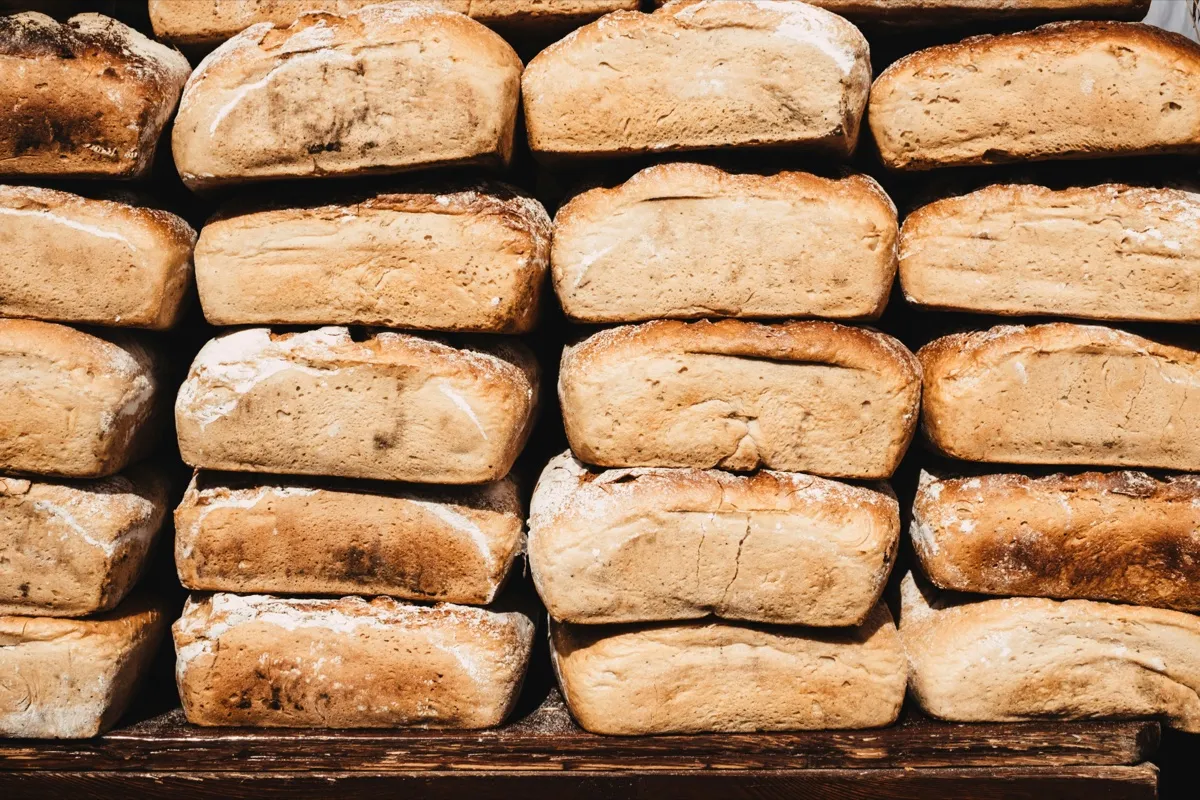
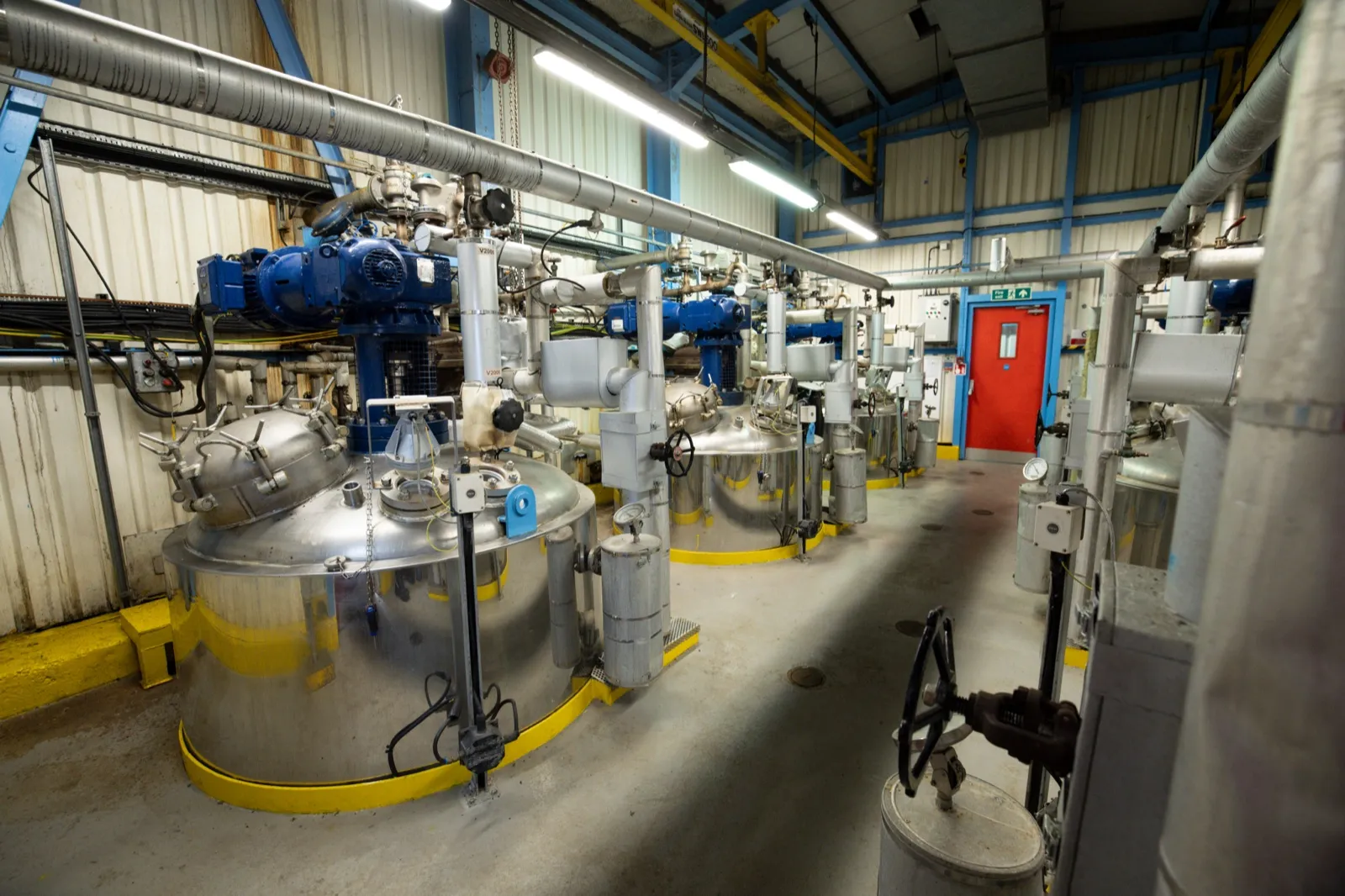
Our technology can use circular feedstocks derived from food-industry side streams, including surplus bread. Our yeast uses the nutrients within these feedstocks to grow and produce oils and fats.

  1. Loaves of bread stacked on a shelf

    Food-industry side streams

    Circular feedstocks derived from food-industry side streams, including surplus bread.

  2. Fermentation vessels at Knowsley

    Fermentation

    Our yeast uses the nutrients within these feedstocks to grow and produce oils and fats.

  3. A CLEANOil™ bottle and CLEANButter™ jar

    New functional ingredients

    Materials that might otherwise have limited value become the starting point for useful new food ingredients.

  4. Swirls of melted chocolate spread

    Food

    Function-specific ingredients that meet the practical requirements of food manufacturers.

This creates the potential for a more circular model in which materials that might otherwise have limited value can become the starting point for useful new food ingredients.

It is a relatively simple idea, but one with potentially significant implications for how ingredients could be produced in future.

Proven with real partners, including a circular-ecosystem collaboration with Roberts Bakery that turns bread waste into the feedstock for tomorrow’s fats.

A hurricane seen from orbit A tractor on cracked, drought-stricken farmland at sunset An oil tanker berthed at a terminal, seen from above

Building greater resilience into the food system

The case for new sources of oils and fats is not solely an environmental one.

Recent years have also demonstrated the importance of resilient supply chains.

Agricultural commodities are inevitably influenced by climate, harvest conditions, geography and global trade. Fermentation provides an opportunity to complement these existing sources with ingredients produced in controlled environments and potentially much closer to the manufacturers that use them.

Over time, this could help provide greater consistency of production, shorter supply chains and less exposure to some of the volatility associated with globally traded agricultural commodities.

For food manufacturers, sustainability and supply-chain resilience are increasingly closely connected.

Balancing performance, sustainability and cost

Food manufacturers understandably need new ingredients to meet several requirements at once.

They must perform reliably within existing products and processes. They need to be available at meaningful scale. They must make commercial sense. And, increasingly, they need to help businesses meet their environmental commitments.

Our approach is intended to bring these considerations together.

Performance

Developing ingredients around the functional requirements of real food applications.

Sustainability

Using fermentation to reduce reliance on agricultural land and create the potential for significantly lower greenhouse-gas emissions.

Resilience

Creating opportunities for more localised, controlled production and more diversified ingredient supply.

Circularity

Making use of food-industry side streams and seeking value from the different outputs of each fermentation.

Commercial viability

Designing our technology from the outset with industrial scale and competitive economics in mind.

A complementary approach to the future of food

Agriculture will, of course, remain fundamental to the way the world produces food.

But as the demands placed upon the global food system continue to grow, we believe fermentation can provide a valuable additional way of producing some of the ingredients on which that system depends.

By combining advances in biotechnology with circular feedstocks and established manufacturing infrastructure, we have the opportunity to produce familiar ingredients in quite a different way.

Ingredients designed to perform well.

Ingredients that can be produced with a lower environmental impact.

And ingredients that can contribute to a more diverse and resilient food system.

At Clean Food Group, we are working to make that possibility a commercial reality.